
What Happens While Your Home Is Being Built
From permits to paint: the phases of building a home, what gets inspected along the way, what causes delays, and the one thing to do before the drywall goes up.
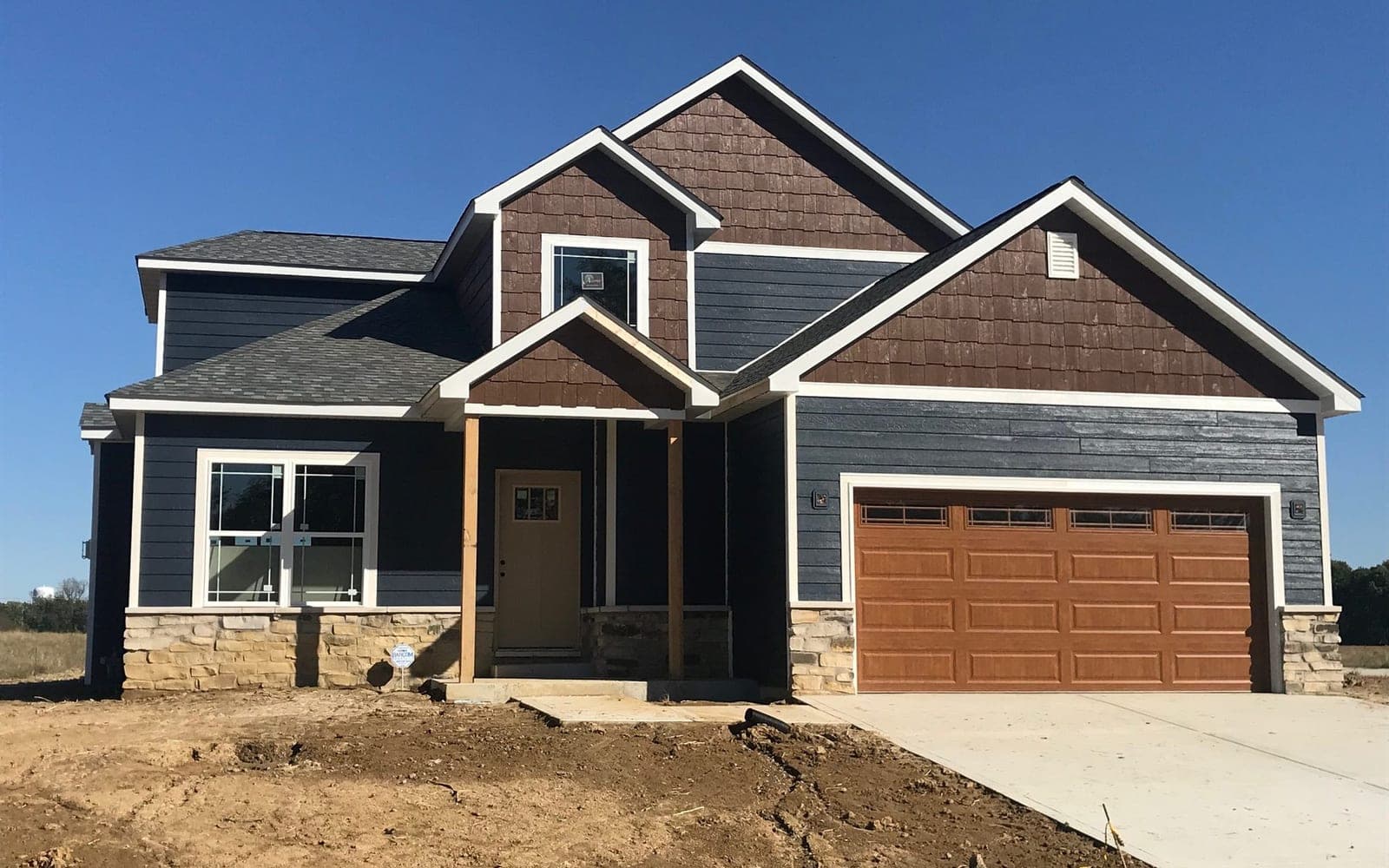
Once the design is final and the selections are made, the part everyone has been waiting for begins. It is also the part most people know the least about. Here is what actually happens between the first shovel in the ground and the day the house is ready for its final walkthrough.
This is part three of our four-part series on how a home gets built. Part one covered the design and part two covered choosing your finishes.
A lot happens before ground is broken
Before any equipment shows up, the paperwork has to be done. The building permit is applied for and approved, the final price is set, the schedule is built, and most of the selections are locked in so materials with long lead times can be ordered.
It can feel like nothing is happening during this stretch. It is the stretch that decides whether everything after it runs smoothly.
Site work and the foundation come first
The lot is cleared, graded and staked out so the house sits exactly where the plans say it should. Then comes excavation, the footings, and the foundation itself, whether that is a full basement, a walkout, or a slab.
This is also when utilities are brought to the house. It is mostly dirt and concrete, and it is the part of the house you will never see again, which is exactly why it has to be right.
Framing is when it starts to look like a house
Floors, walls and the roof structure go up, and for the first time you can walk through the rooms you have been looking at on paper. Windows and exterior doors usually go in around this stage, and the roof is covered so the house can be closed in against the weather.
Framing moves fast, and it is the most exciting time to visit. It is also the last easy moment to notice that a doorway or window is not quite where you pictured it.
Then everything inside the walls goes in
Builders call this the rough-in. Plumbing lines, electrical wiring, and the ducts for heating and cooling all run through the framing before the walls are closed up. This is when outlet locations, light switches and the TV and internet hookups you planned during selections actually get placed.
Inspections happen along the way
Your town's building department inspects the work at set points, commonly the footings and foundation, the framing, the rough-in plumbing, electrical and mechanical work, the insulation, and a final inspection at the end. Work cannot move on to the next stage until each one passes.
Requirements vary from town to town across the Metro East, but the idea is the same everywhere: someone outside the builder checks the work at the points where it is about to be covered up.
Film every wall before the drywall goes up
Here is the tip most people miss. Once the rough-in is done and inspected, and before insulation and drywall go in, walk through the house and take video of every wall in every room.
Years from now, when you are hanging a TV, mounting shelves or adding an outlet, you will know exactly where the pipes, wires and wood blocking are. It takes twenty minutes and it is one of the most useful things you will ever have from the build.
Insulation, drywall, and then the finishes
Insulation goes in, then drywall is hung, taped and finished. After that the house fills in quickly: cabinets, countertops, flooring, trim, doors, tile, light fixtures, plumbing fixtures and paint. Outside, the driveway, grading and landscaping are finished off.
This is when the selections you made months earlier finally show up, and when the house starts to feel like yours.
What can slow a build down
Some delays nobody controls. Weather is the obvious one: frozen ground, heavy rain and wet sites all push outdoor work back. Inspection scheduling and material shortages can add time too.
Others are easier to avoid. Late selections and changes after something has been ordered are among the most common causes of delays, and both are in your hands. If you do want a change once construction has started, it becomes a change order. Get the cost and the effect on the schedule in writing before you approve it.
Visiting your site
Watching your house go up is one of the best parts of building. An active job site also has open trenches, equipment, nails and materials everywhere, so arrange visits with your builder rather than stopping by on your own, and keep kids close.
Questions worth asking any builder
Who is my point of contact during construction? How often will I get updates, and how? How will I hear about a delay or a problem? When can I walk the house, and will someone walk it with me before the drywall goes up?
Good answers to those four questions tell you more about how a build will go than almost anything else.
Building with us
We manage every phase of construction ourselves, with our own crews, trusted trade partners and hands-on oversight every day. You have one point of contact who knows your house from the first plan to the final walkthrough.
If you are planning a build and want to know what yours would look like, we are happy to talk it through. Next week, in the last part of the series: the final walkthrough and moving in.
Written by Kayla Klemme
Ready To Build?
Tell us about your project.