
Building a Home in Winter: What Slows Down and What Keeps Going
Cold weather changes how a house gets built, not whether it gets built. Here is what waits for spring, what carries on through the winter, and how to use the cold months if you are still planning.
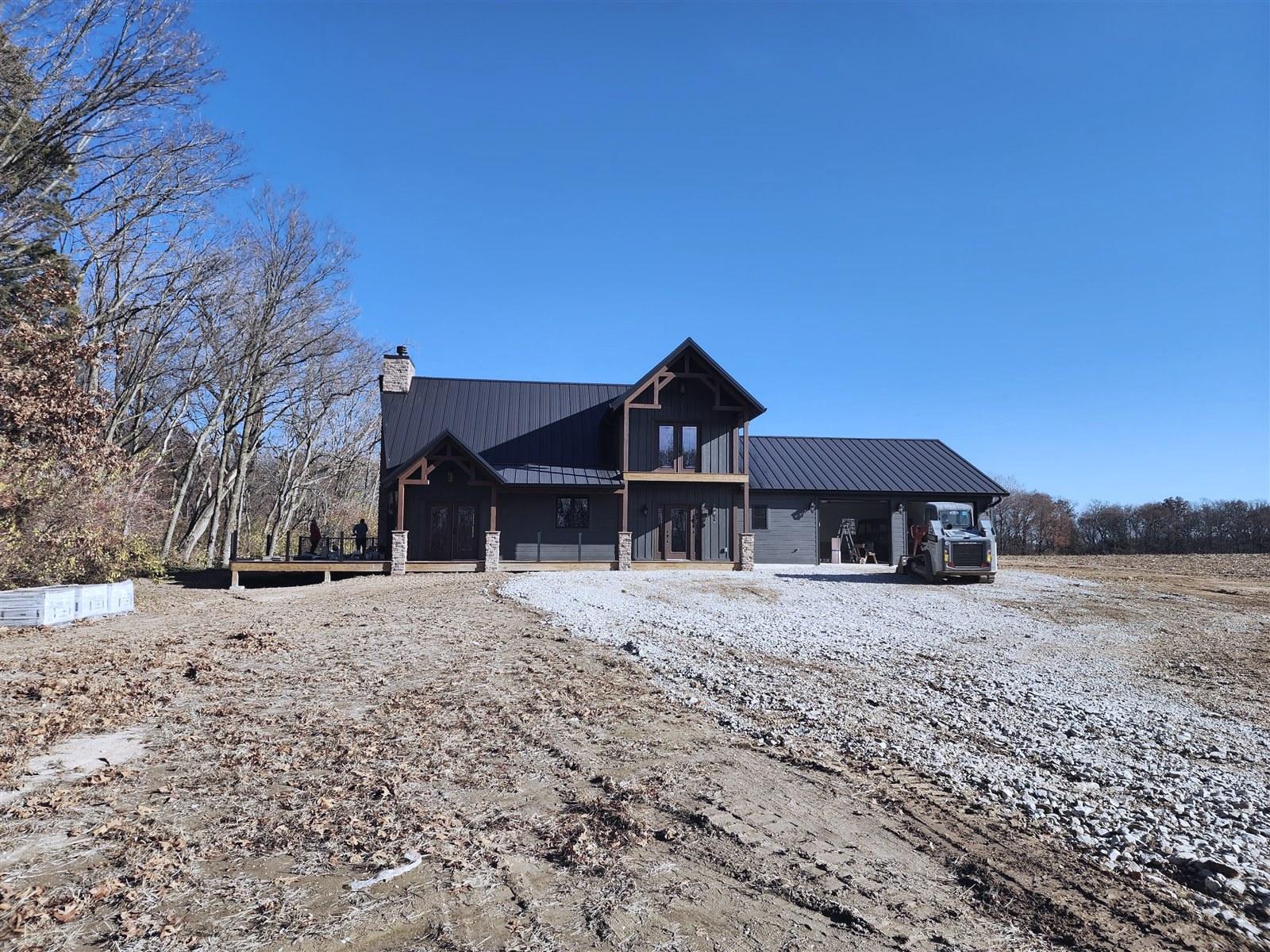
People often assume building stops when the weather turns. It does not. Winter in the Metro East brings freezing nights, some snow and a lot of wet, muddy days, and every one of those affects a build. But a good share of the work on a house goes on all winter. The trick is knowing which parts are sensitive to the cold and planning around them.
If you are new to the order things happen in, part three of our series on how a home gets built walks through every stage of construction.
The ground is the biggest factor
Everything starts with digging, and frozen ground is hard to dig. Excavation can still happen in winter, but it is slower, and a stretch of hard freezes or heavy rain can push it back by days at a time.
Footings and foundations cannot be poured on frozen ground. If the soil underneath freezes and then thaws, it can move, and a foundation needs to sit on ground that will not shift. So in cold weather the ground has to be protected before the pour, and sometimes the pour simply waits for a better stretch of days.
Concrete needs to stay warm while it cures
Concrete gains its strength over several days after it is poured, and it needs to stay above freezing while that happens. In cold weather, crews cover fresh concrete with insulated blankets, heat the space around it, or adjust the mix so it sets faster.
None of that is unusual. It does mean a winter pour takes more planning, more material and sometimes more time than the same pour in May.
Once the house is closed in, most work carries on
The big milestone in winter is getting the house closed in: the roof covered, the windows and exterior doors in, and the walls wrapped. From that point on, most of the work happens inside, out of the weather.
Framing itself goes on in most winter weather, apart from heavy snow, ice or high winds. Inside a closed-in house, temporary heaters keep the space warm enough for the trades. Plumbing, electrical and heating and cooling lines get run, inspections happen, insulation goes in, and drywall can be hung and finished. Drywall compound needs warmth to dry properly, which is one more reason the heat stays on.
Some outside work waits for warmer weather
A few jobs depend on temperature, and they are often scheduled for spring. Exterior paint, stain and some caulks have a minimum temperature on the label, and below it they do not cure properly. Asphalt shingles can go on in cold weather, but the strips that seal them to each other need warmth to bond, so they usually seal once the weather warms up.
Driveways, sidewalks, final grading and landscaping are commonly finished in spring, when the ground has thawed and dried out.
If your house is finished in the middle of winter, it is normal for a few of these items to wait. Ask your builder which ones, and how they will be tracked so nothing is forgotten.
Mud is the part nobody warns you about
Freeze and thaw cycles, plus winter rain, turn a building site into mud. It slows deliveries, makes it harder to get equipment around the lot, and gets tracked everywhere. Builders lay gravel for the drive and keep material up off the ground, but some of it is unavoidable. If you visit the site in winter, wear boots you do not mind ruining, and arrange the visit with your builder first.
Winter is a good time to plan
If you are not ready to break ground, the cold months are a very good time to do the planning that has to come first. Work through your design and the three lists we recommend in part one. Start thinking about your finishes and selections, since long-lead items need to be chosen well before they are installed. Talk to a lender, and look at lots while you can see the slope and drainage without leaves in the way.
Families who use the winter this way are often ready to start when the ground thaws, instead of starting the paperwork in spring.
Questions worth asking any builder about a winter build
How do you protect concrete and foundations in cold weather? What happens to the schedule if we get a week of hard freezes? Which outside items will wait until spring, and how will they be tracked? Who pays for temporary heat and winter protection, and is it in the price?
Clear answers to those four tell you a builder has done this before.
Building with us
We build all year round in the Metro East, and we plan each winter build around the weather rather than hoping for the best. If you are starting to plan for next year, winter is a good time to talk it through with us.
Written by Kayla Klemme
Ready To Build?
Tell us about your project.